
Johns Hopkins University Press · 2024
How War Kills
The Overlooked Threats to Our Health
How War Kills: The Overlooked Threats to Our Health examines war as a global public health crisis whose consequences extend far beyond the battlefield.
Yara Asi reveals how conflict destroys health systems, displaces communities, increases disease, and creates lasting physical, social, and psychological harm.
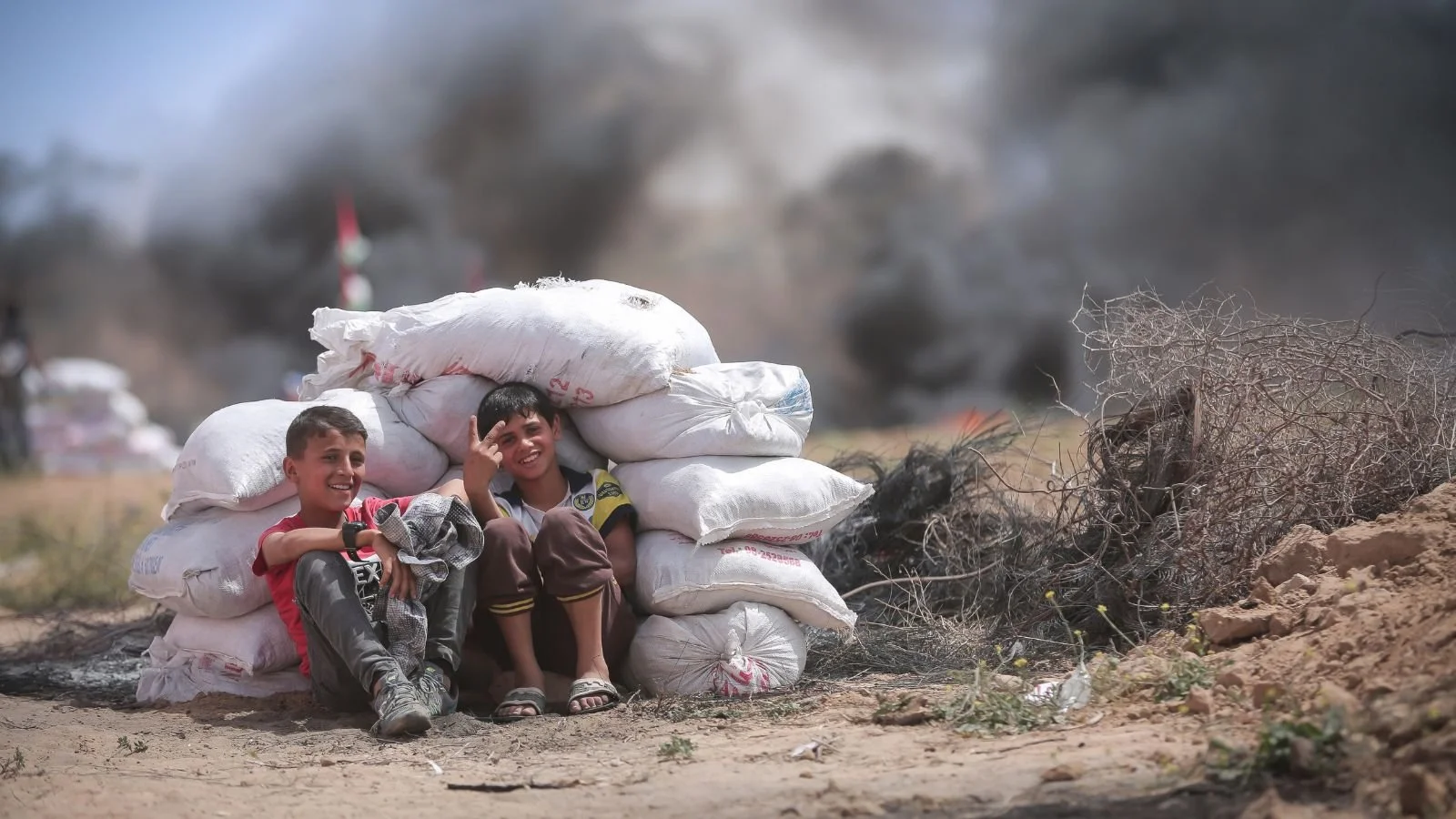
Core Argument
War Is a Health Crisis
War does not harm health only through weapons and immediate violence. It also damages hospitals, water systems, food supplies, housing, education, and essential public services.
The book explains how political decisions, structural inequality, displacement, and restricted access to care determine who receives protection, treatment, and the opportunity to survive.
By viewing conflict through a public health lens, the book reveals the hidden systems that continue causing illness, insecurity, and preventable death long after the fighting has moved elsewhere.

Inside Chapters
Beyond the Battlefield
Across eleven chapters, the book explores direct violence, structural violence, gender, attacks on health care, humanitarian responses, and the wider health consequences of conflict.
Each chapter connects research, policy, and human experience to show how war affects individuals, families, health workers, displaced populations, and communities across generations.
Together, these chapters provide a deeper understanding of how violence operates through institutions, social conditions, and everyday life—not only through visible acts of war.
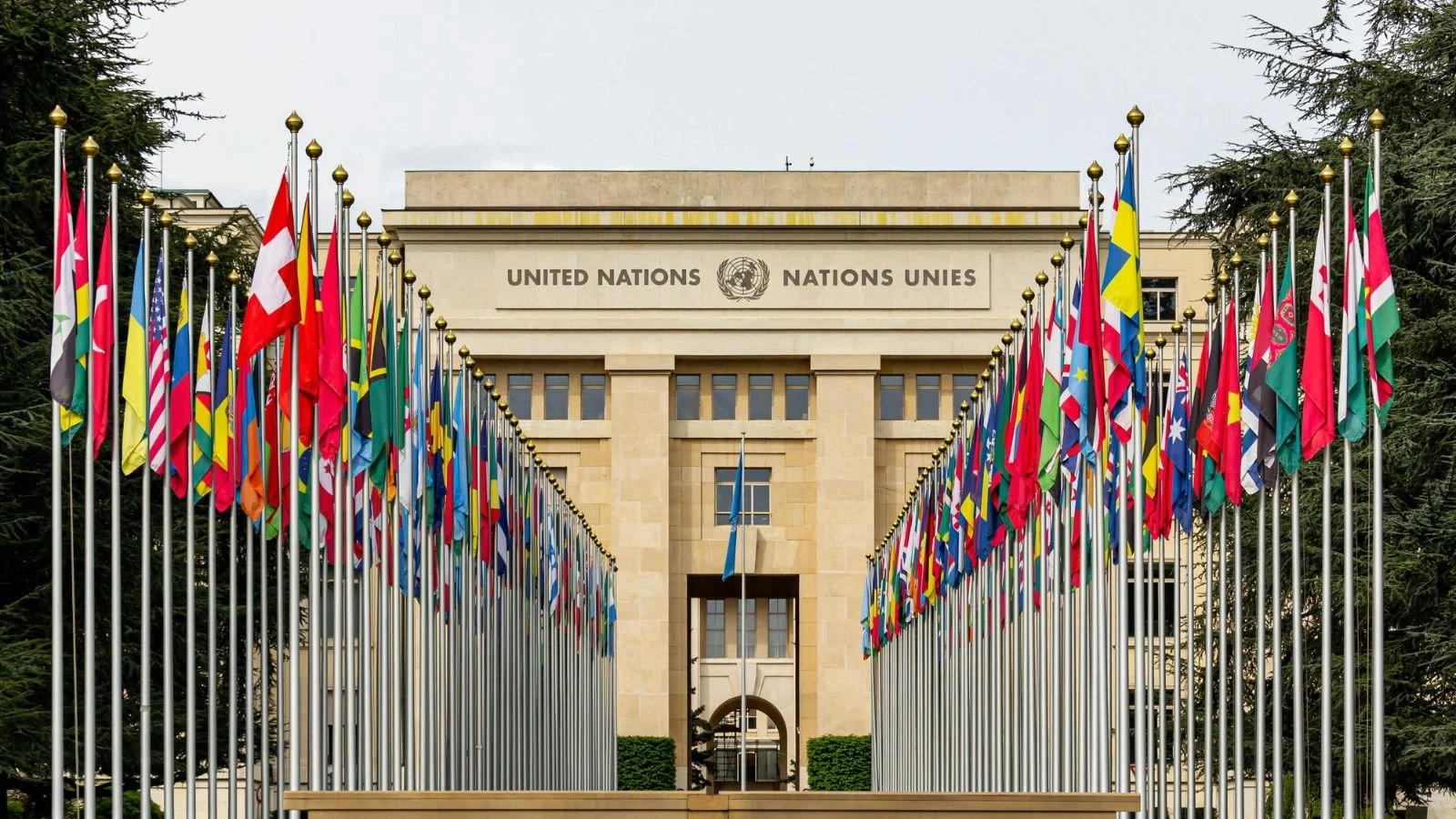
Lasting Impact
Rethinking the Cost of War
Written for students, researchers, health professionals, policymakers, and general readers, the book provides a clearer framework for understanding conflict through the lens of public health.
It challenges readers to recognise the preventable consequences of war and consider how health, human rights, accountability, and peace must remain connected.
Ultimately, the book encourages a broader conversation about responsibility, prevention, and the urgent need to place human wellbeing at the centre of decisions about conflict.

LECTURES & CONVERSATIONS
Use the book to open a deeper discussion.
Invite Yara for a lecture, keynote conversation, classroom visit, podcast, panel, or institutional event focused on war, health, humanitarianism, and human security.